Read time
2 min · 4 sections
Published
Updated
Research / Industry
How Mechanism-Based Categorization Improves Research Navigation
Why organizing peptide catalogs by mechanism of action - rather than alphabetically or by popularity - helps researchers find the right compounds and discover related molecules.
The problem with alphabetical catalogs
Most peptide suppliers organize their catalogs alphabetically. This is the simplest possible organizational scheme, and it is also the least useful for researchers. An alphabetical listing treats every compound as an isolated entity, with no relationship to any other compound. A researcher studying connective tissue pathways must scan the entire list - from A to Z - to identify which compounds are relevant to their work.
Popularity-based organization is similarly unhelpful. Ordering compounds by sales volume or search frequency optimizes for commercial metrics, not research relevance. A bestselling compound is not necessarily the most relevant compound for a given researcher's investigation.
What mechanism-based categorization offers
Mechanism-based categorization groups compounds according to their primary investigated biological pathway or system. Instead of organizing compounds by name or demand, this approach organizes them by what they do - or more precisely, by what they have been investigated for in the peer-reviewed literature.
This structure mirrors how researchers think about their work. A neuroscientist studying synaptic plasticity does not search for compounds alphabetically. They look for compounds that interact with neural signaling pathways. A researcher modeling connective tissue biology does not need to know that BPC-157 and TB-500 happen to appear far apart in an alphabetical list - they need to know that both compounds have been investigated in the context of matrix signaling mechanisms.
NuLumin Bio-Sciences' five-category system
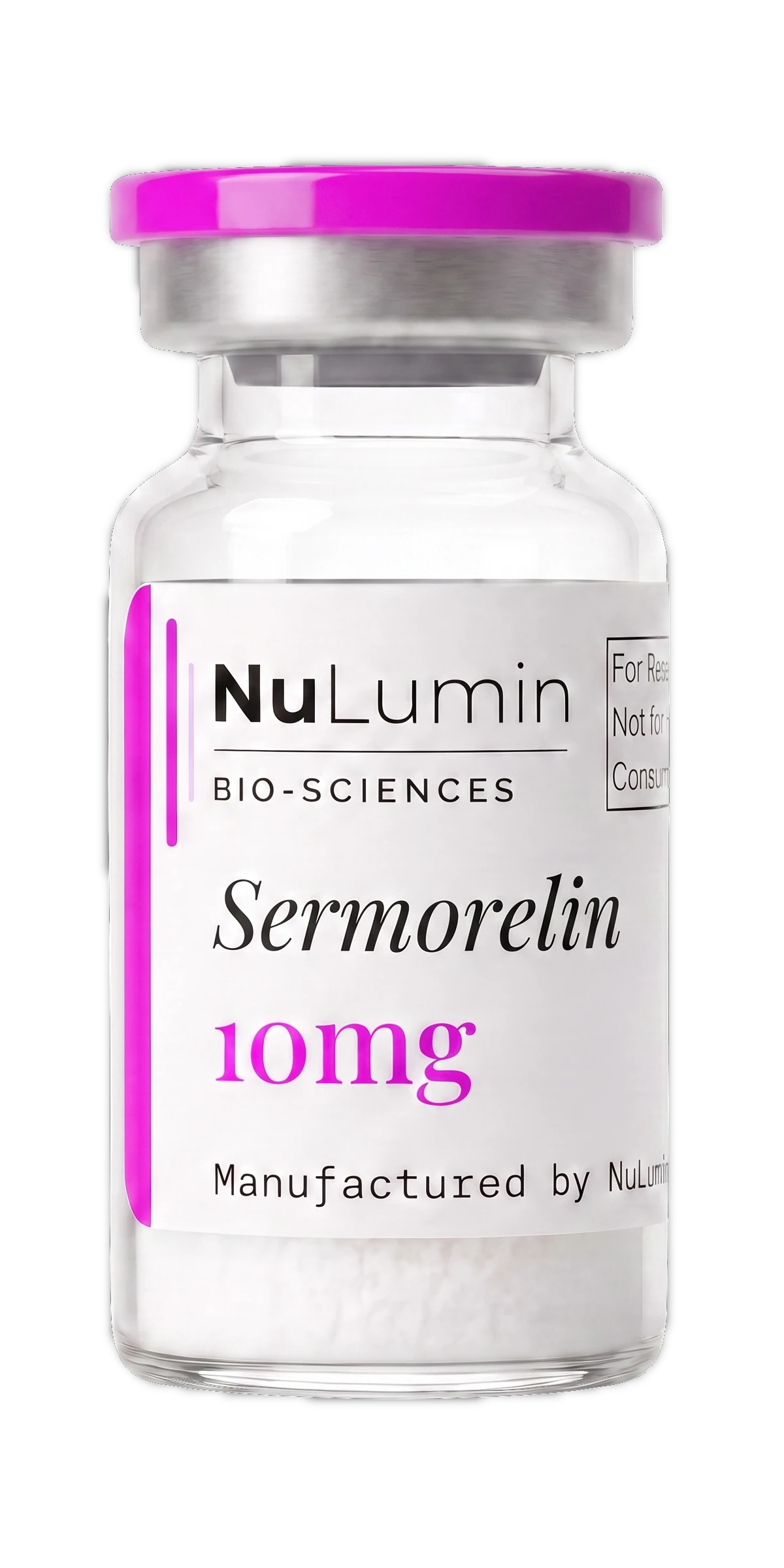
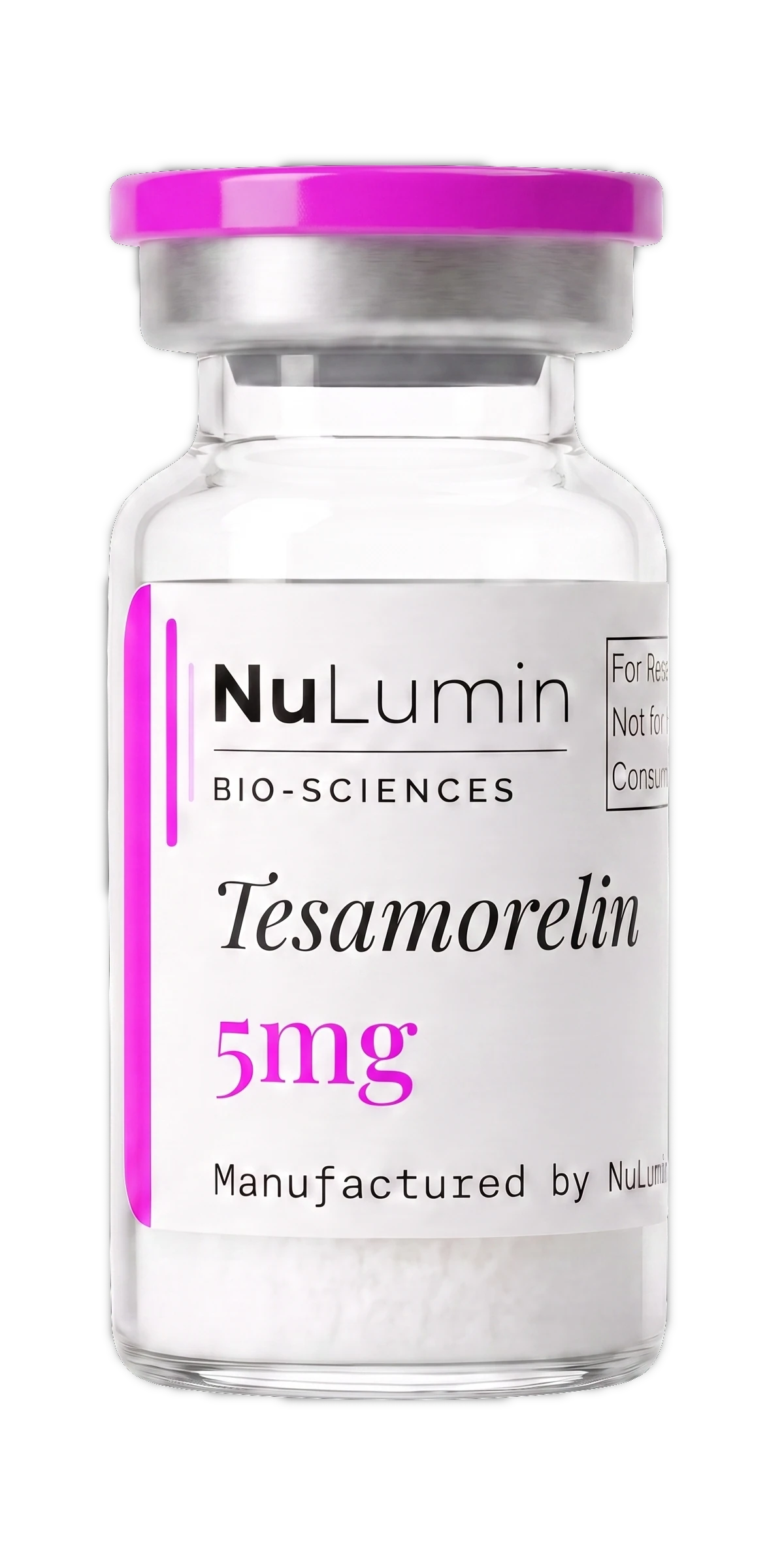
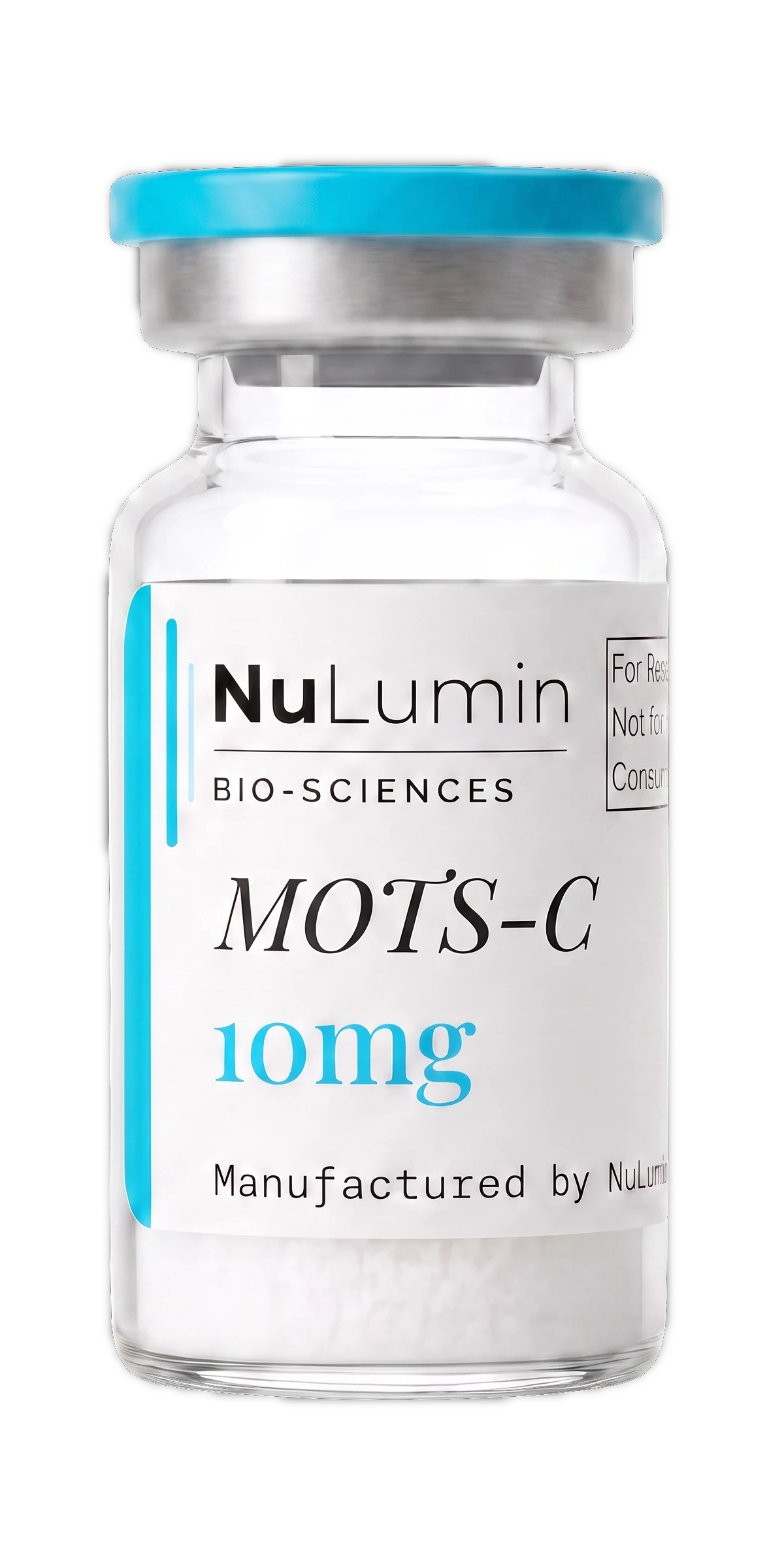
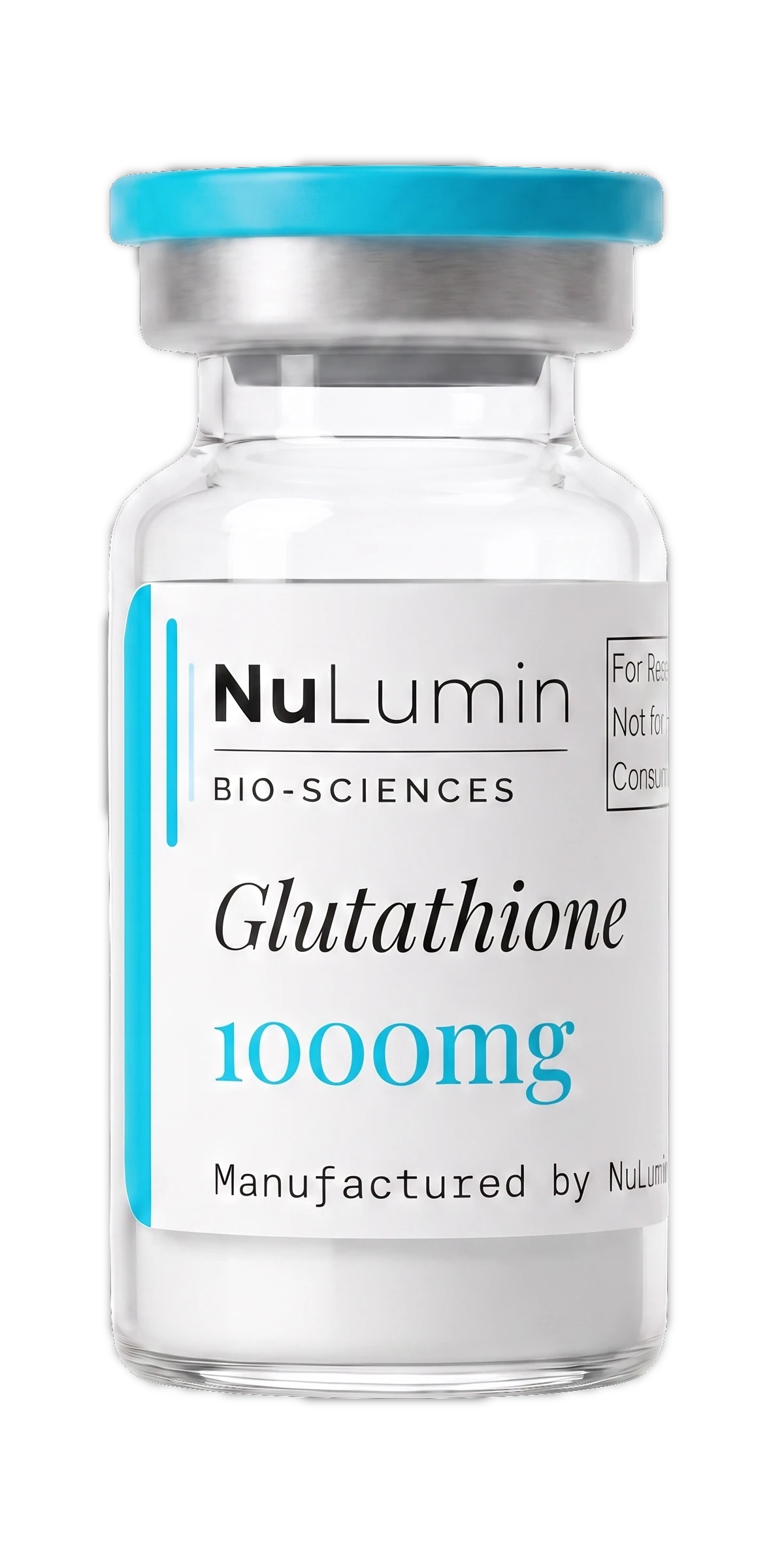
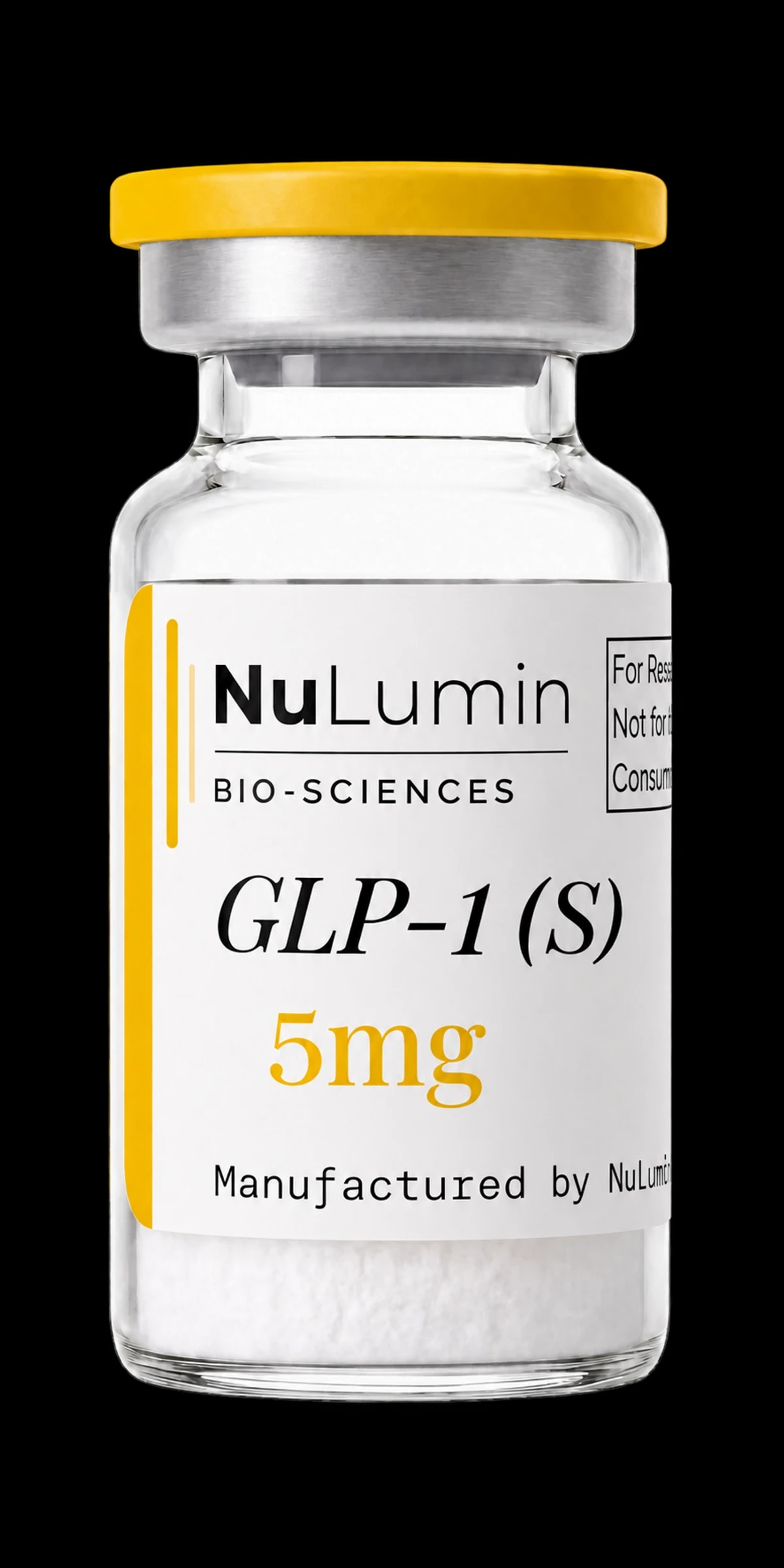
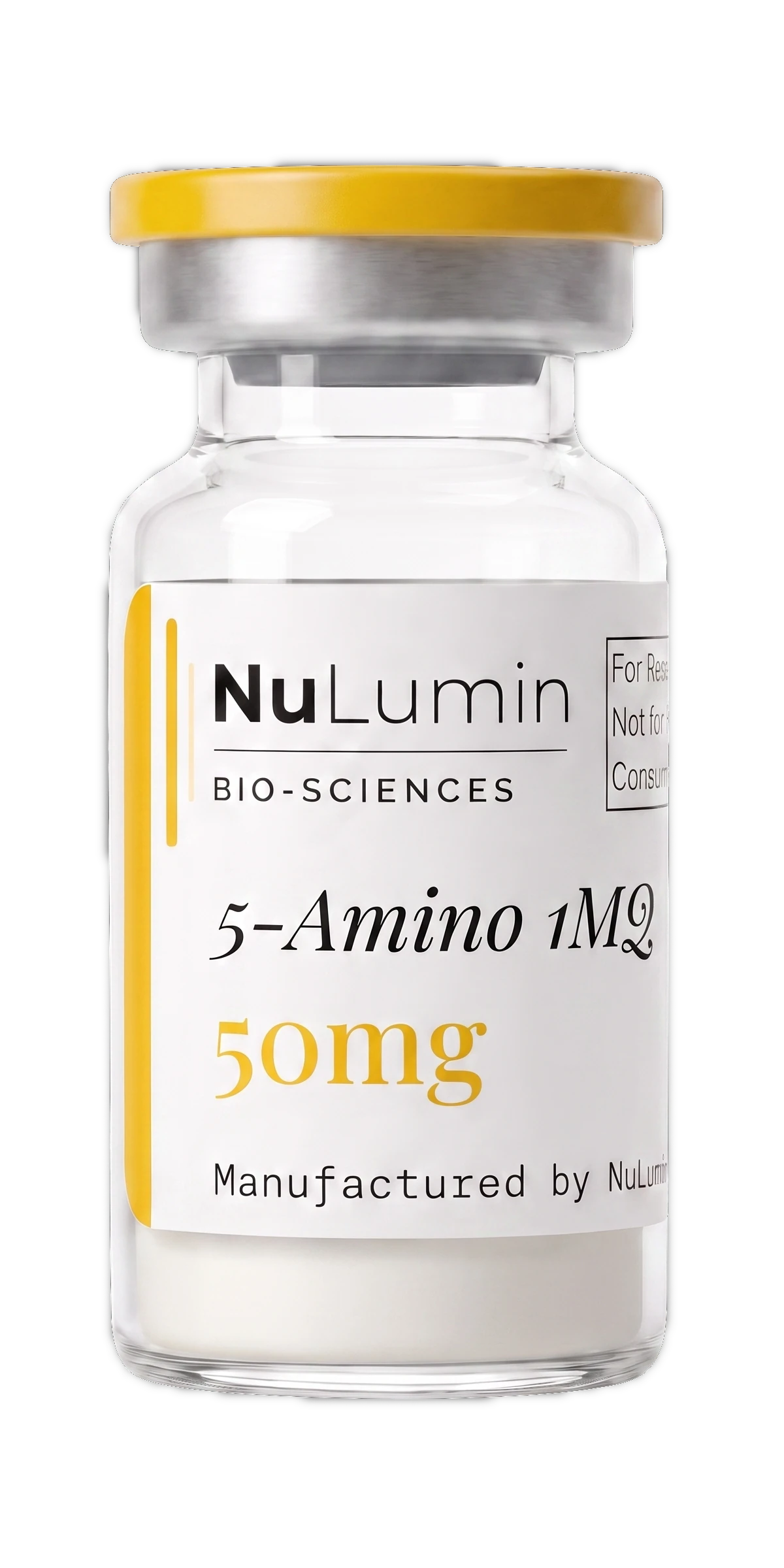
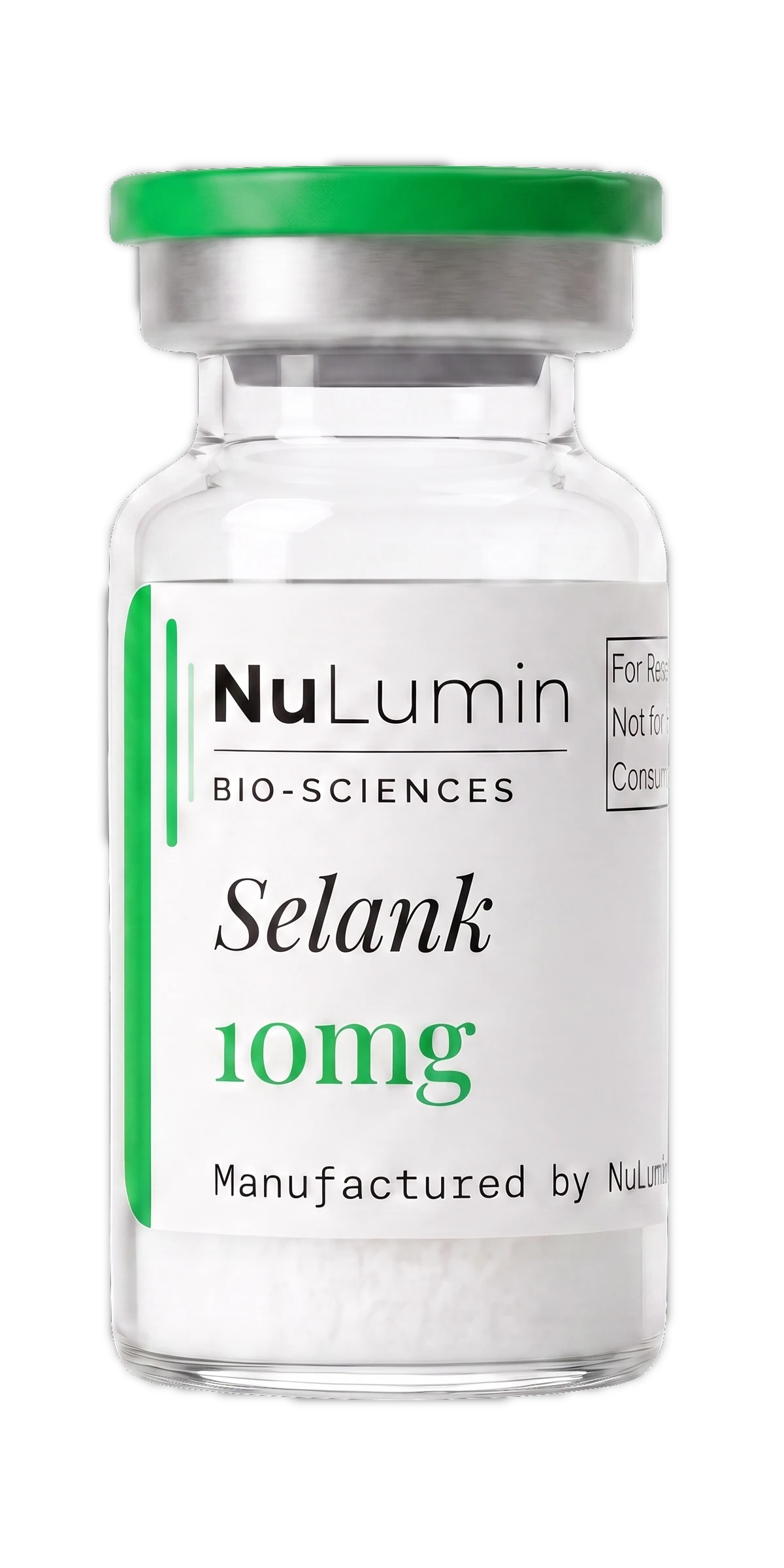
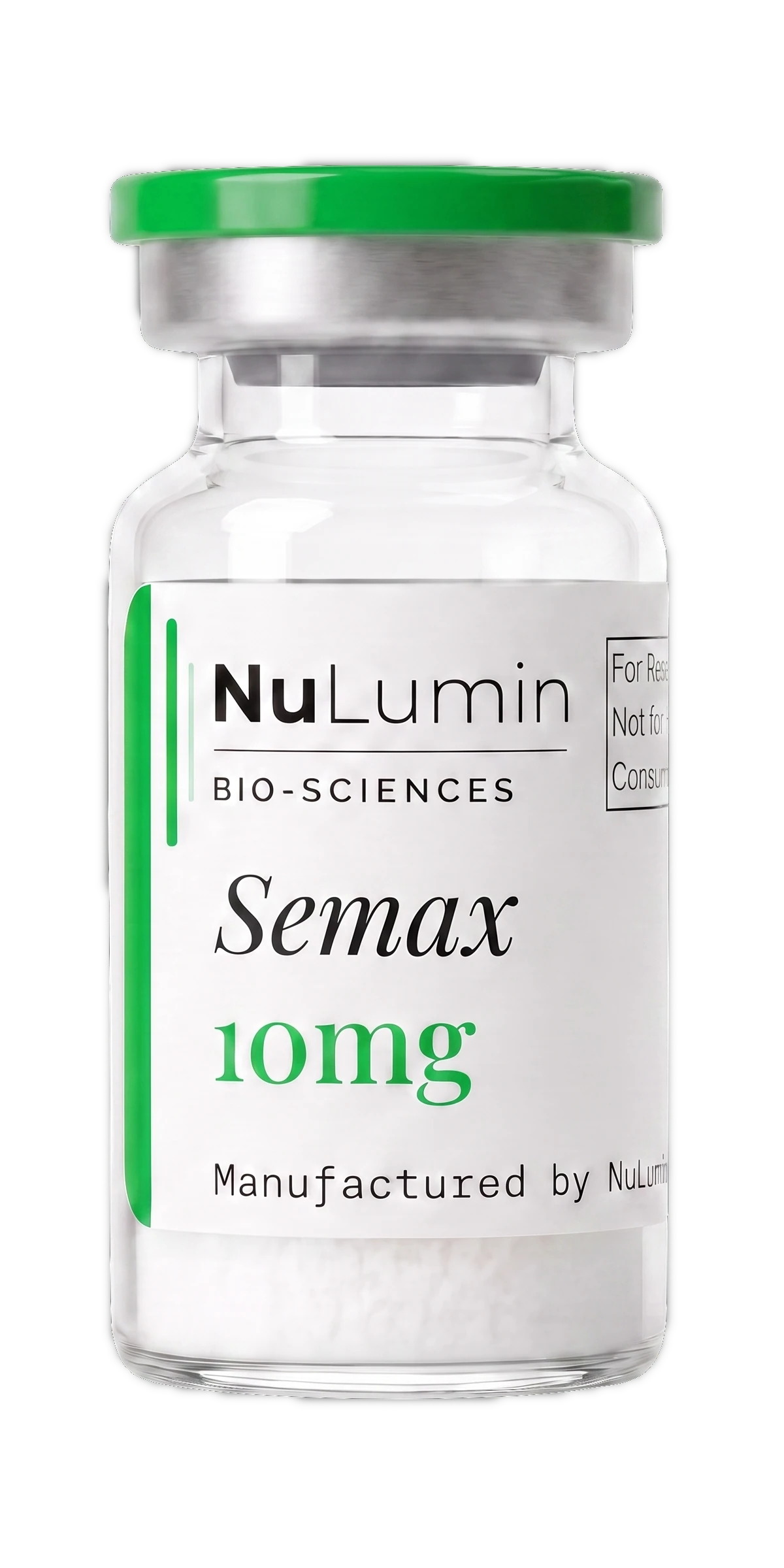
NuLumin Bio-Sciences organizes its catalog across five research categories: Tissue Research (compounds investigated for extracellular-matrix and remodeling pathways), Neural Research (compounds studied for neuromodulatory activity and cognitive pathways), Cellular Research (compounds investigated for cellular maintenance and mitochondrial function), Metabolic Research (compounds investigated for metabolic regulation and energy homeostasis), and Endocrine Research (compounds studied for hormonal signaling and receptor interactions).
Each category assignment reflects the compound's best-characterized mechanism of action in published research. Categories are not rigid boundaries - some compounds have been investigated across multiple domains - but the primary assignment gives researchers a functional starting point for navigating the catalog.
Finding adjacent compounds
One of the most practical benefits of mechanism-based categorization is the ability to discover adjacent compounds. When a researcher is working with one compound in a category, the other compounds in that category represent mechanistically related alternatives that may be relevant to their research design. This adjacency is invisible in an alphabetical listing but immediately apparent in a mechanism-organized catalog.
For example, a researcher working with BPC-157 in a connective tissue model might discover that GHK-Cu - a compound in the same Tissue Research category - has been investigated for complementary procollagen expression pathways. This kind of mechanistic proximity is the organizing principle that makes a catalog genuinely useful for research planning. All NuLumin Bio-Sciences compounds are designated Research Use Only.
Research Use Only
For Research Use Only. Not for Human Consumption. Not a drug, supplement, or food product. All NuLumin Bio-Sciences products are designated Research Use Only (RUO). Not intended for therapeutic use or diagnostic purposes. Purchasers assume responsibility for ensuring compliance with all applicable regulations.