Read time
3 min · 6 sections
Published
Updated
Research / Fundamentals
Peptides 101: A Researcher’s Introduction
What peptides are, how they function as signaling molecules, why they matter in biomedical research, and how mechanism-based categorization helps researchers navigate the growing landscape.
What peptides are
Peptides are short chains of amino acids linked by peptide bonds - typically between 2 and 50 amino acids in length. They are distinguished from proteins primarily by size: proteins are larger polypeptide chains, usually exceeding 50 amino acids, that fold into complex three-dimensional structures. Peptides occupy a middle ground between individual amino acids and full-sized proteins, and this intermediate scale gives them a distinct set of functional properties.
Peptides occur naturally throughout biological systems. Hormones, neurotransmitters, antimicrobial agents, and signaling molecules all include peptide-based compounds. Insulin, oxytocin, and endorphins are among the most well-known examples of naturally occurring peptides. The diversity of biological roles that peptides play - from intercellular communication to immune modulation - has made them a subject of sustained research interest across multiple scientific disciplines.
Why peptides matter in biomedical research
Peptides have become increasingly important as research tools because of their specificity. Unlike many small-molecule compounds, peptides can be designed or selected to interact with specific receptors, enzymes, or signaling pathways with relatively high selectivity. This specificity makes them valuable for studying individual biological mechanisms without the broad off-target effects that can complicate interpretation of results.
The structural diversity of peptides is also significant. By modifying the amino acid sequence, chain length, cyclization, or chemical modification of a peptide, researchers can create analogs with altered binding affinity, stability, or selectivity. This tunability makes peptides useful both as investigative tools and as starting points for understanding structure-activity relationships in biological systems.
Peptides as signaling molecules
Many peptides function as signaling molecules - compounds that transmit information between cells or between different compartments within a cell. Peptide signaling typically involves binding to a specific receptor on the target cell surface, which triggers an intracellular signaling cascade. The specificity of this interaction - determined by the peptide's amino acid sequence and three-dimensional conformation - is what makes peptide-based signaling so precise.
This receptor-mediated signaling mechanism is the basis for much of peptide research. By studying how specific peptide sequences interact with specific receptor types, researchers can map signaling pathways, identify regulatory mechanisms, and understand how biological systems coordinate complex responses like matrix remodeling, hormone signaling, or immune activation.
Why mechanism-based categorization matters
As the number of research-relevant peptides has grown, so has the need for logical organization. Alphabetical listings or popularity-based rankings do not help researchers find compounds relevant to their specific area of investigation. Mechanism-based categorization - grouping peptides by their primary investigated biological pathway - provides a functional framework that mirrors how researchers actually think about their work.
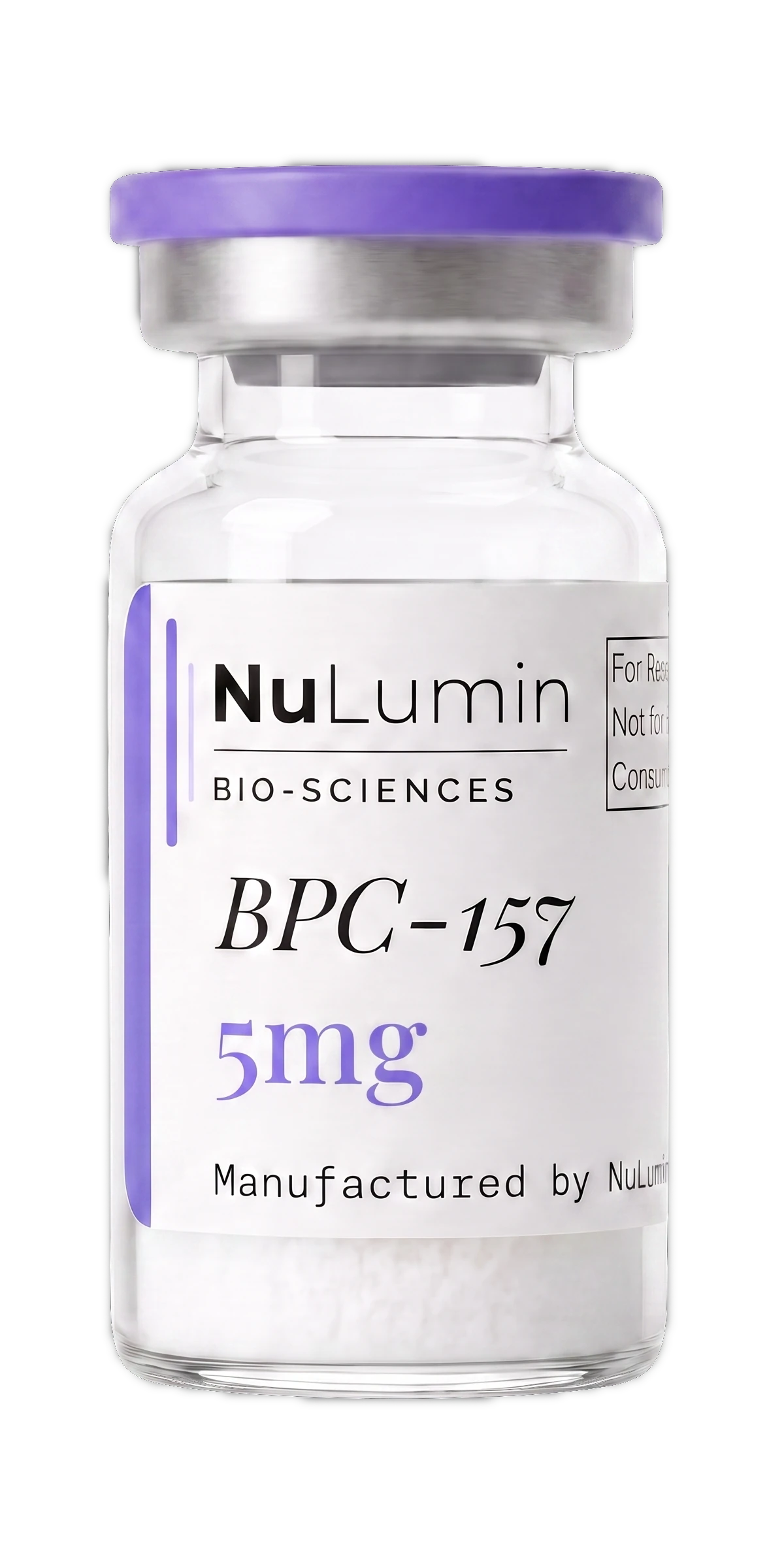
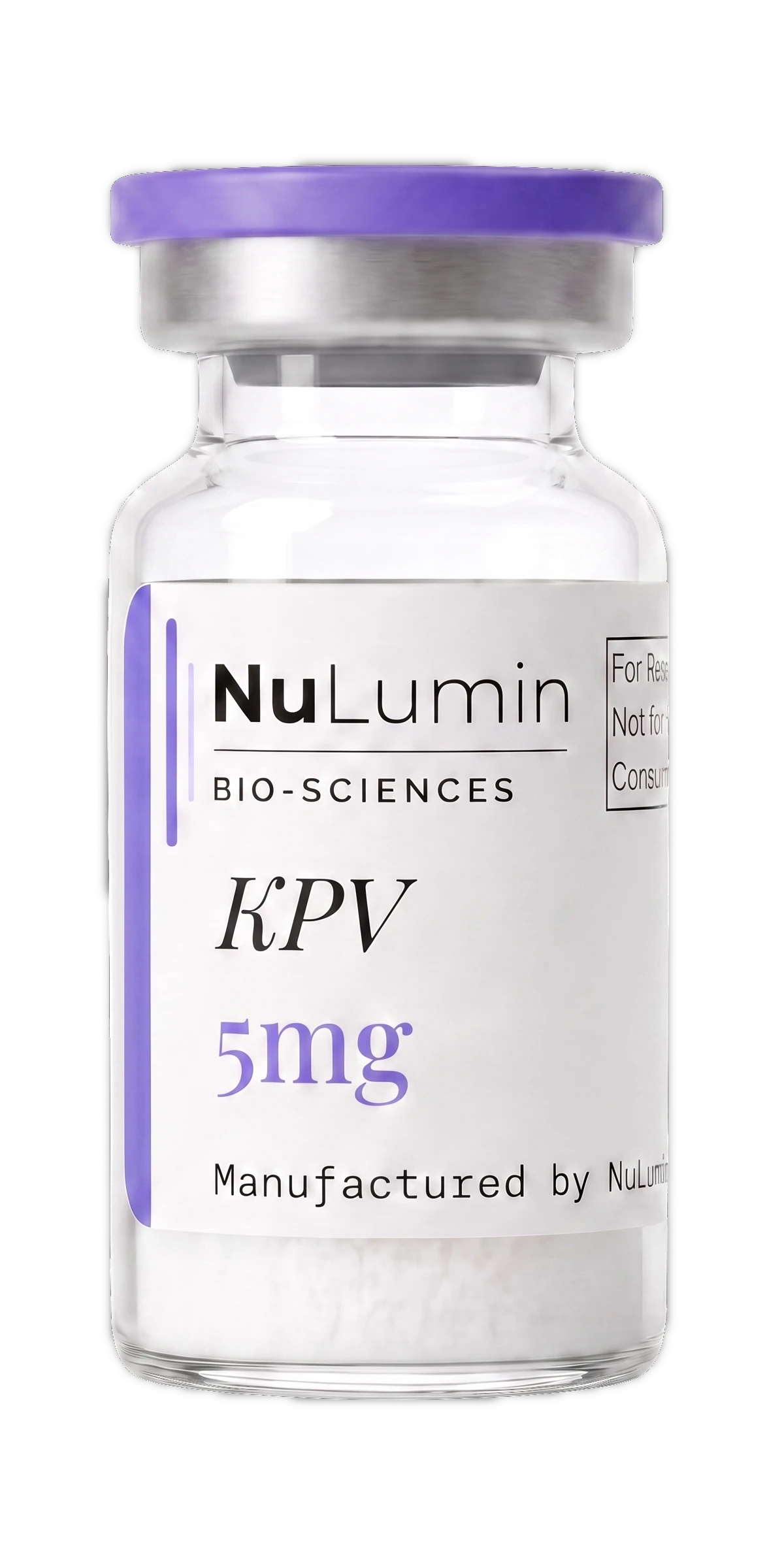
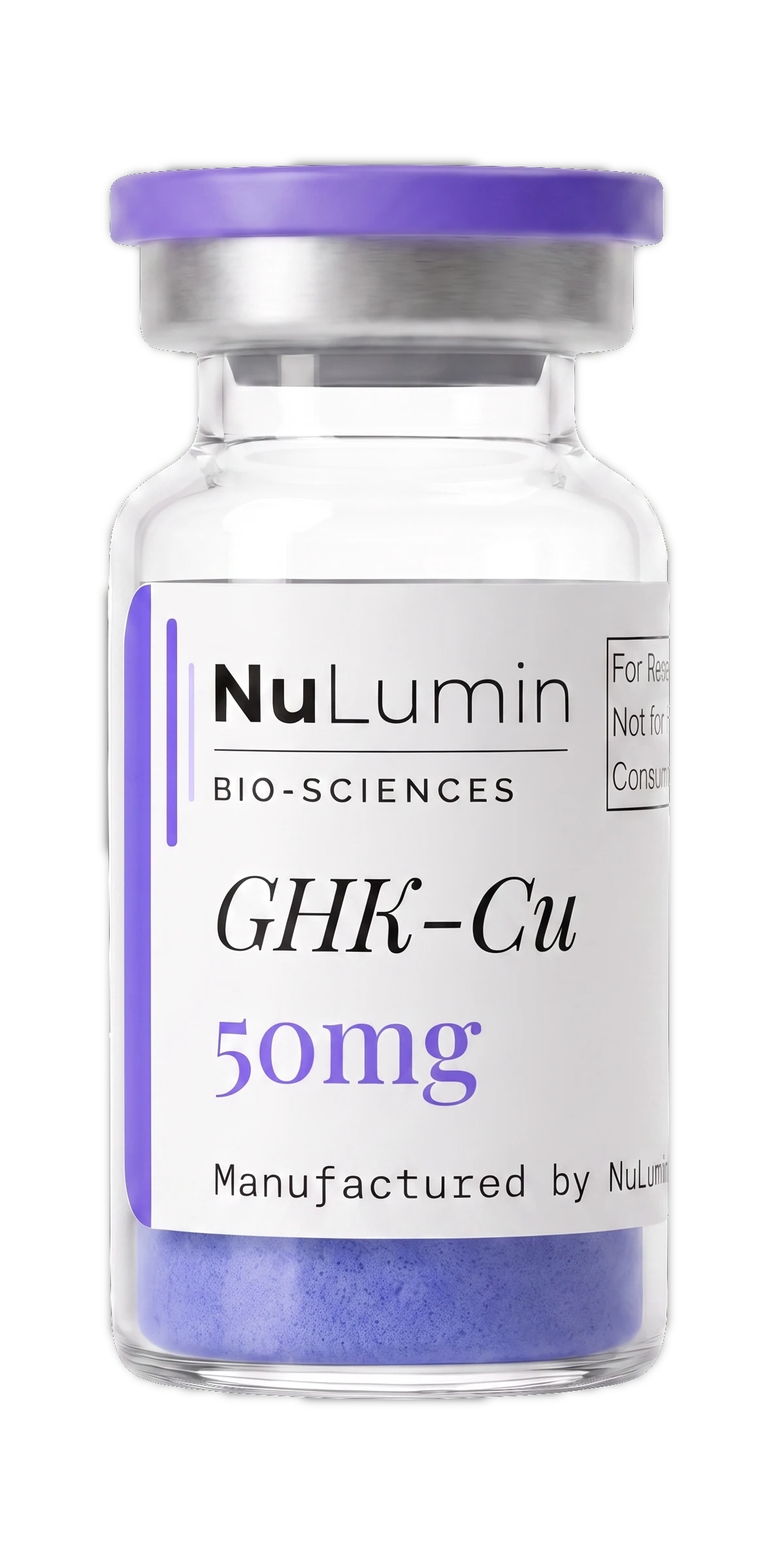
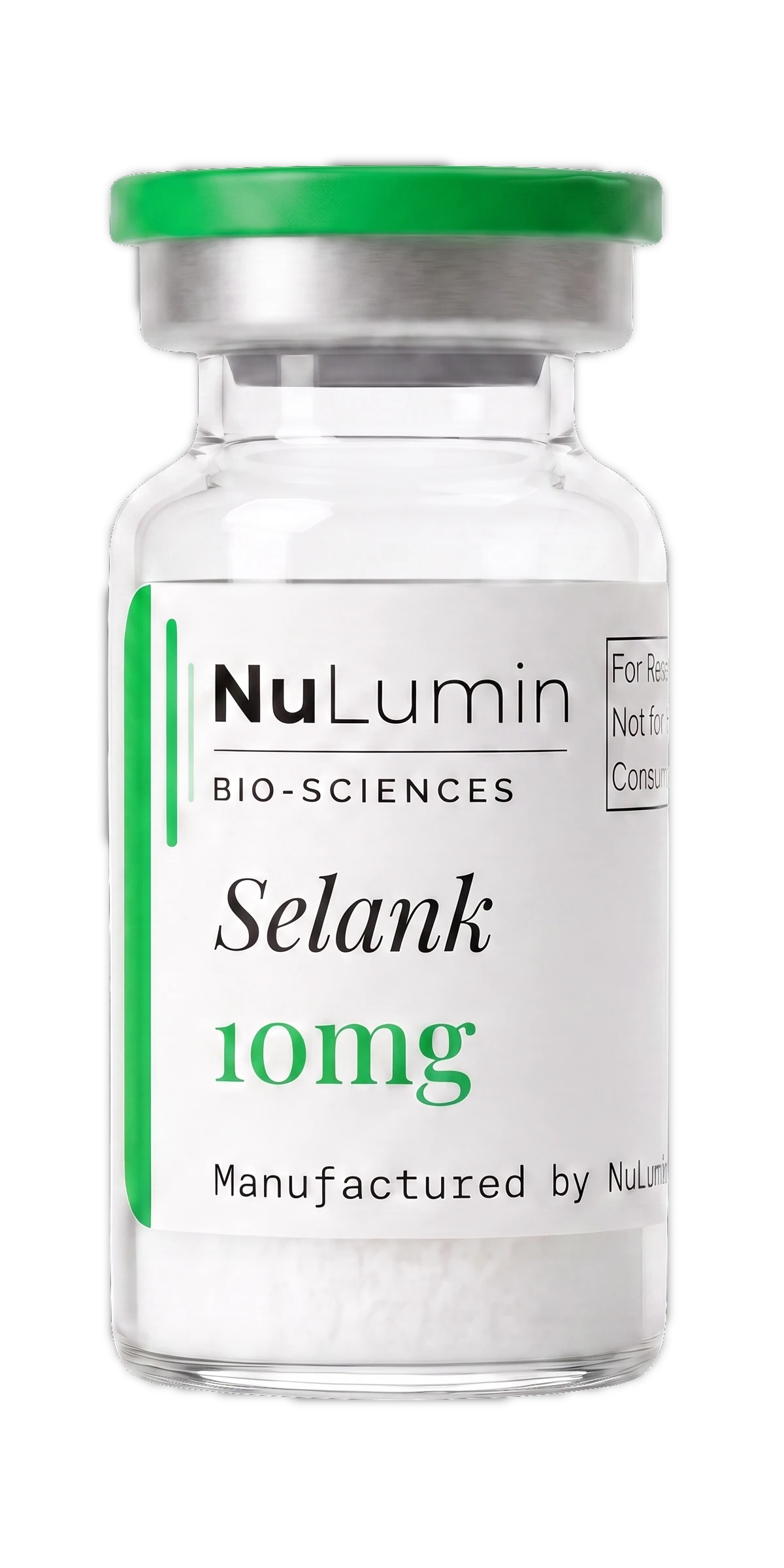
NuLumin Bio-Sciences organizes its catalog across five research categories: Tissue Research, Cellular Research, Neural Research, Metabolic Research, and Endocrine Research. Each category groups compounds that share mechanistic relevance, based on how they have been characterized in the peer-reviewed literature. This structure allows researchers to navigate the catalog by pathway and system, rather than by compound name alone.
The expanding landscape of peptide research
Peptide research has grown substantially over the past two decades. The number of peptide-related publications indexed in major scientific databases has increased year over year, reflecting expanding interest across disciplines including endocrinology, neuroscience, oncology, immunology, and aging biology. The development of improved synthesis methods, analytical techniques, and delivery systems has made peptides increasingly accessible as research tools.
This growth has also created challenges in sourcing. As demand for research-grade peptides has increased, so has the range of suppliers - with significant variation in quality, documentation, and transparency. For researchers, the quality of the compound is inseparable from the quality of the documentation that accompanies it. Purity data, identity confirmation, lot traceability, and clear labeling are not optional features - they are requirements for reproducible research.
Sourcing quality and research integrity
The integrity of peptide research depends on the integrity of the compounds used. A purity specification without supporting analytical data, a COA reused across multiple batches, or a compound shipped without lot identification all introduce variables that can compromise reproducibility. Researchers evaluating suppliers should look for batch-specific Certificates of Analysis, independent analytical verification (particularly HPLC and mass spectrometry), clearly documented lot numbers, and transparent sourcing information.
All NuLumin Bio-Sciences compounds are designated Research Use Only and are supplied exclusively for qualified laboratory research. They are not intended for human or veterinary use, diagnostic procedures, or therapeutic applications.
Research Use Only
For Research Use Only. Not for Human Consumption. Not a drug, supplement, or food product. All NuLumin Bio-Sciences products are designated Research Use Only (RUO). Not intended for therapeutic use or diagnostic purposes. Purchasers assume responsibility for ensuring compliance with all applicable regulations.