Read time
2 min · 5 sections
Published
Updated
Research / Industry
Inside the Research Supply Chain: Quality, Traceability, and Transparency
The peptide supply chain landscape, the differences between unverified, institutional, and direct-access suppliers, and why domestic manufacturing and transparency matter.
The peptide supply landscape
The market for research peptides has grown significantly alongside the expansion of peptide-related scientific research. This growth has attracted a range of suppliers operating at very different standards - from established research chemical companies with documented manufacturing infrastructure to operators with no verifiable sourcing, no analytical capability, and no accountability for the compounds they ship.
For researchers, navigating this landscape requires understanding what distinguishes a credible supplier from a risky one. The distinction is rarely visible in product listings or pricing. It becomes apparent in documentation, manufacturing transparency, and operational consistency.
Three models of peptide supply
The peptide supply market broadly includes three models. Institutional suppliers - large chemical companies with established reputations - offer verified compounds but typically require institutional purchasing accounts, minimum orders, and extended procurement timelines. Other suppliers offer lower prices and fewer purchasing barriers but often ship compounds with no batch-specific documentation, no verified sourcing, and no analytical infrastructure.
A third model - direct-access research supply - maintains institutional-grade quality standards (domestic synthesis, independent verification, batch-specific documentation) while eliminating the procurement friction that slows institutional purchasing. This model serves researchers who need documented, verified compounds without the overhead of institutional procurement processes.
Why domestic manufacturing matters
Where a peptide is synthesized has practical implications for quality assurance. Domestic manufacturing - in the context of the US market, this means US-based synthesis facilities - provides regulatory visibility, enforceable labor and environmental standards, shorter and more traceable supply chains, and the ability to audit manufacturing facilities directly.
Offshore synthesis is not inherently inferior, but it introduces variables that are harder to verify: raw material sourcing standards, environmental controls, documentation practices, and regulatory compliance. For researchers who need to document their compound sourcing for publications, regulatory filings, or institutional review, a verifiable domestic manufacturing origin simplifies that documentation substantially.
What traceability means operationally
Traceability is the ability to connect a specific vial of compound to a specific production event. Operationally, this means that every unit carries a lot number that links to a documented synthesis run, a specific set of raw materials, a dated purification process, and a batch-specific analytical verification record.
This chain of documentation serves multiple purposes: it enables batch-to-batch comparison, supports troubleshooting of unexpected results, provides sourcing documentation for publications, and creates accountability across the supply chain. Without lot-level traceability, a compound is an anonymous product - and anonymous products introduce anonymous variables into research.
Transparency as a quality indicator
A supplier's transparency about their operations, documentation, and standards is itself a quality indicator. Suppliers who publish COAs openly, identify their manufacturing partners by name, describe their analytical methods, and provide clear compound information without requiring account creation or purchase demonstrate a commitment to accountability that is difficult to fake.
The inverse is also informative. A supplier who cannot name their synthesis facility, does not provide batch-specific analytical data, offers only specification sheets instead of actual COAs, or requires you to purchase before seeing any documentation is signaling something about their operational standards - whether they intend to or not.
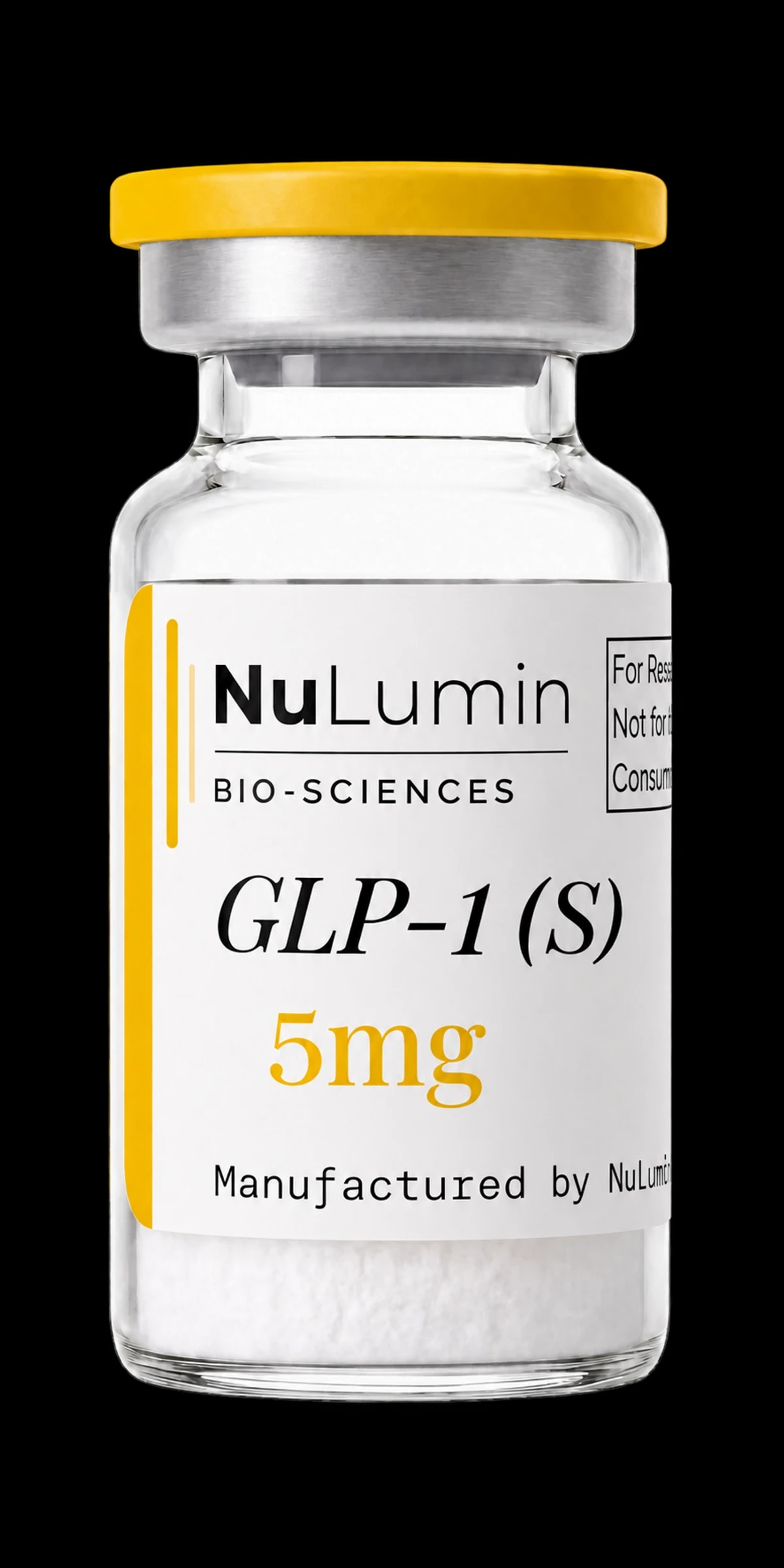
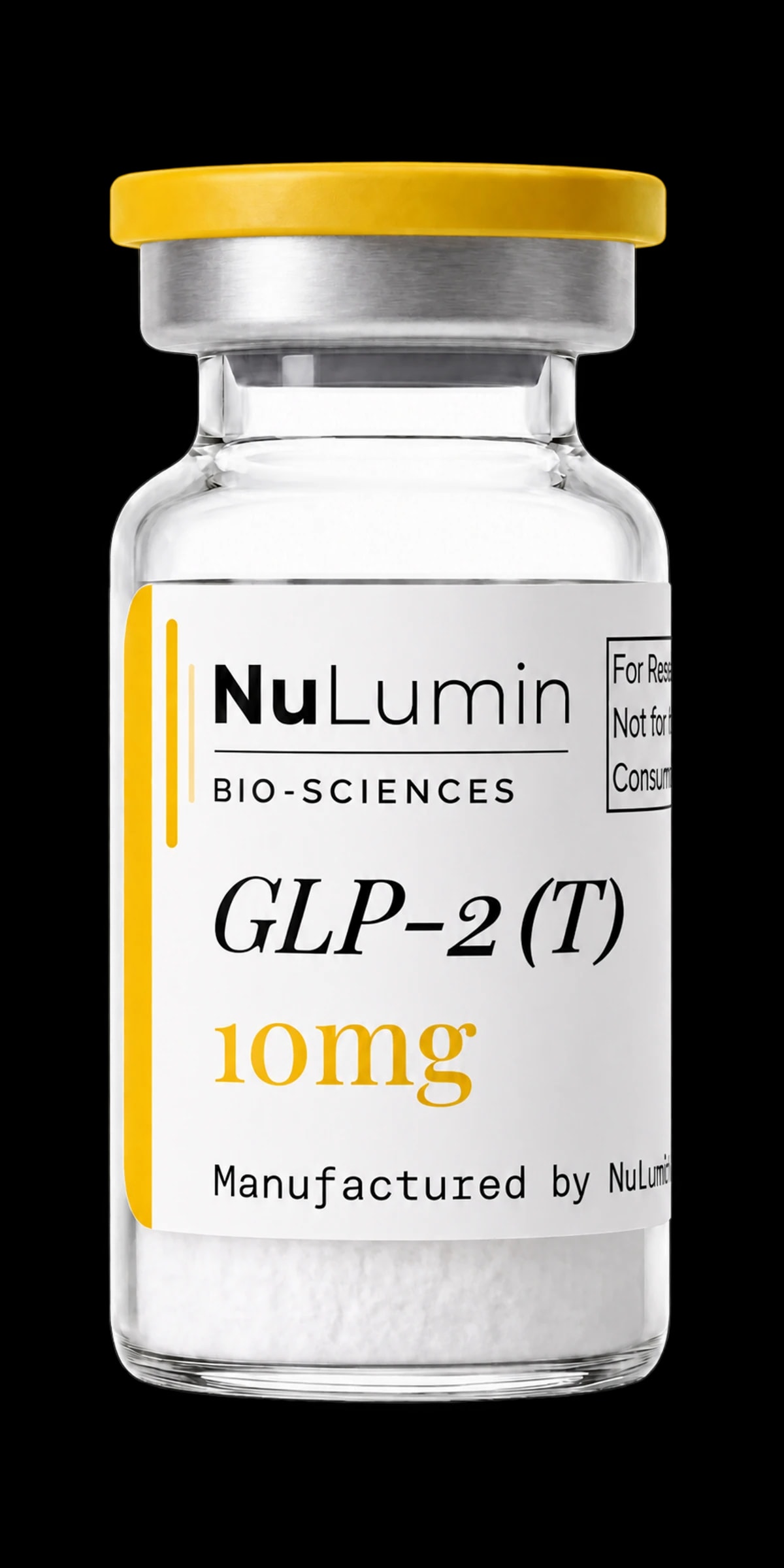
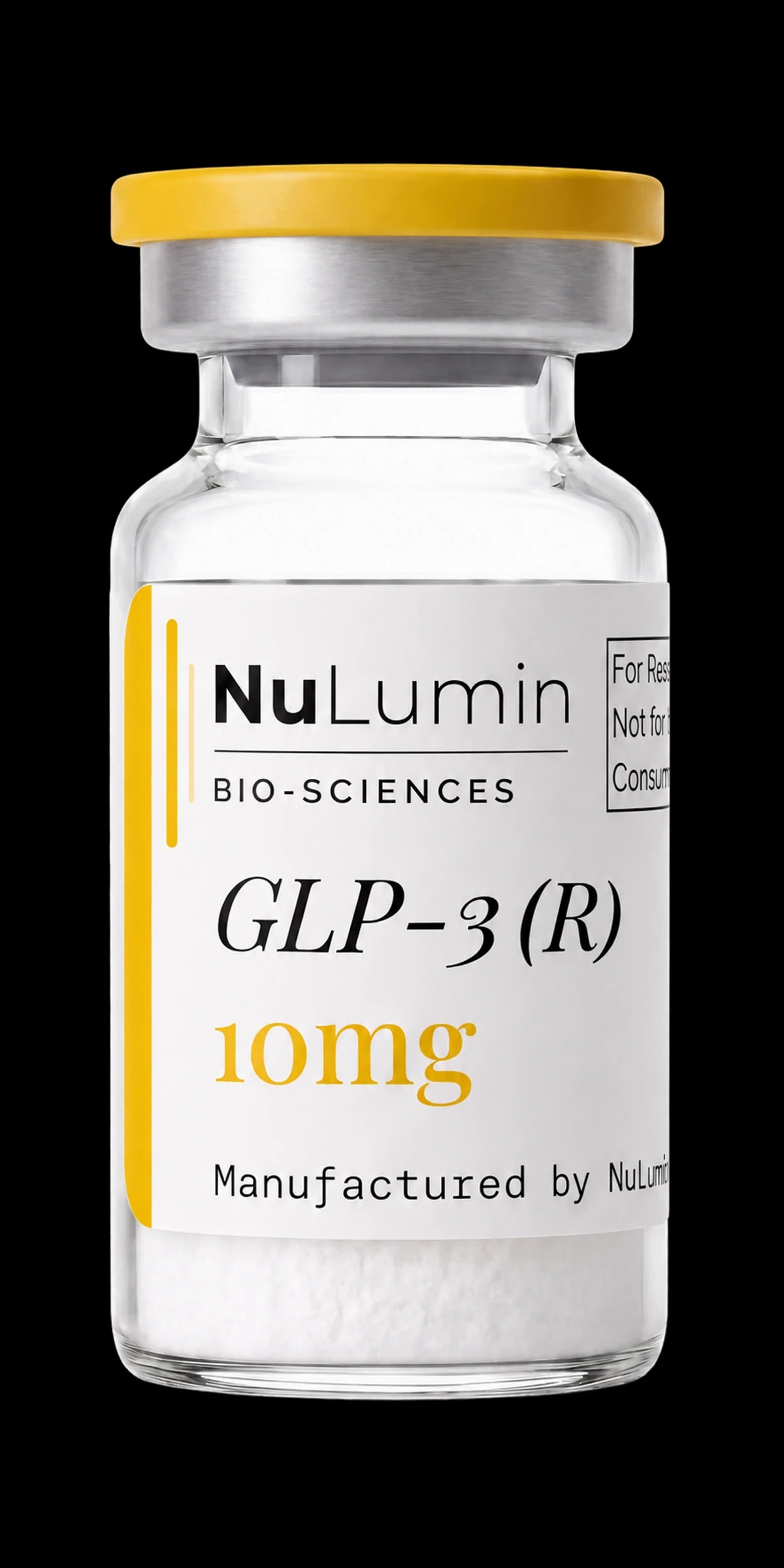
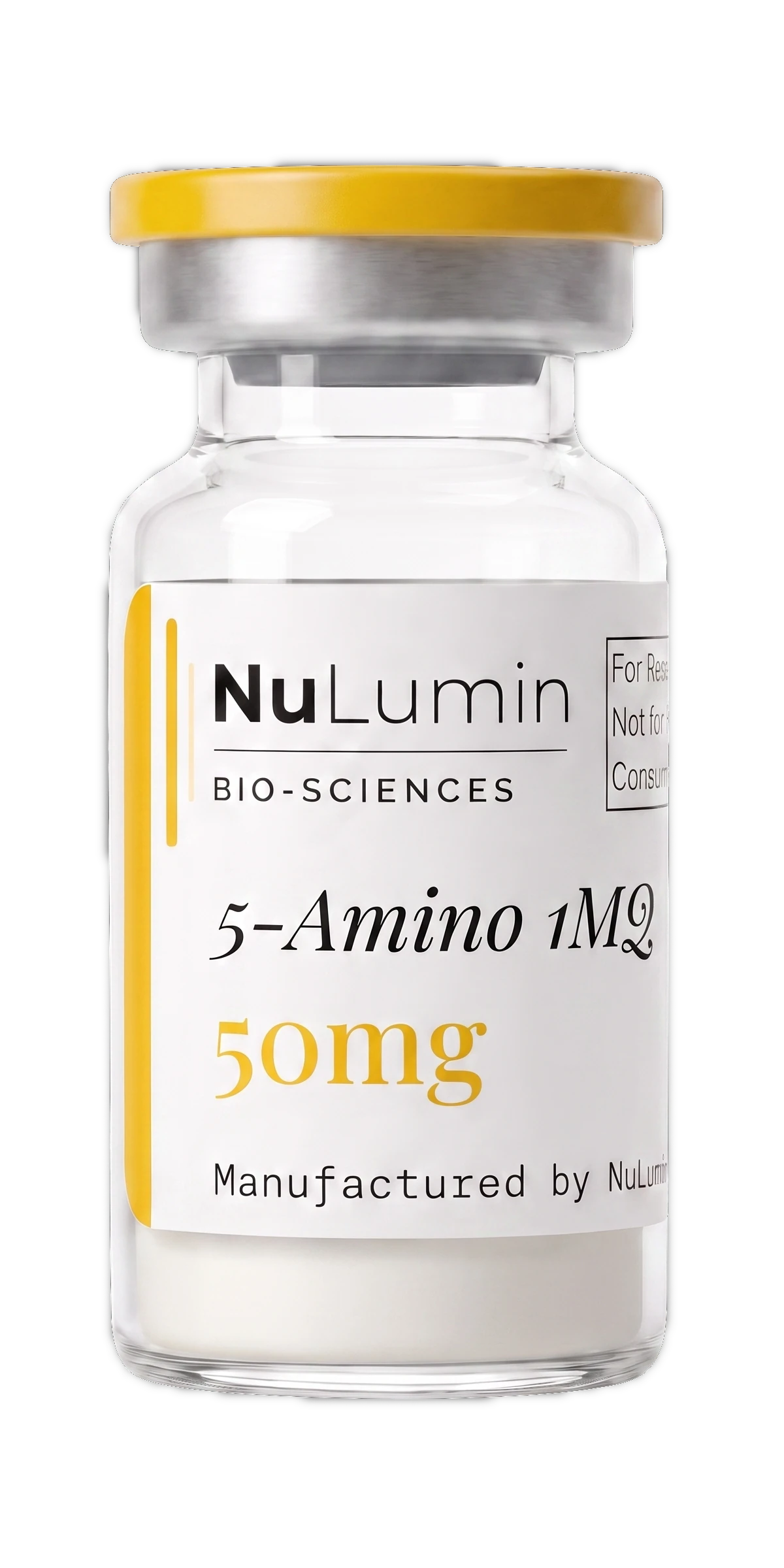
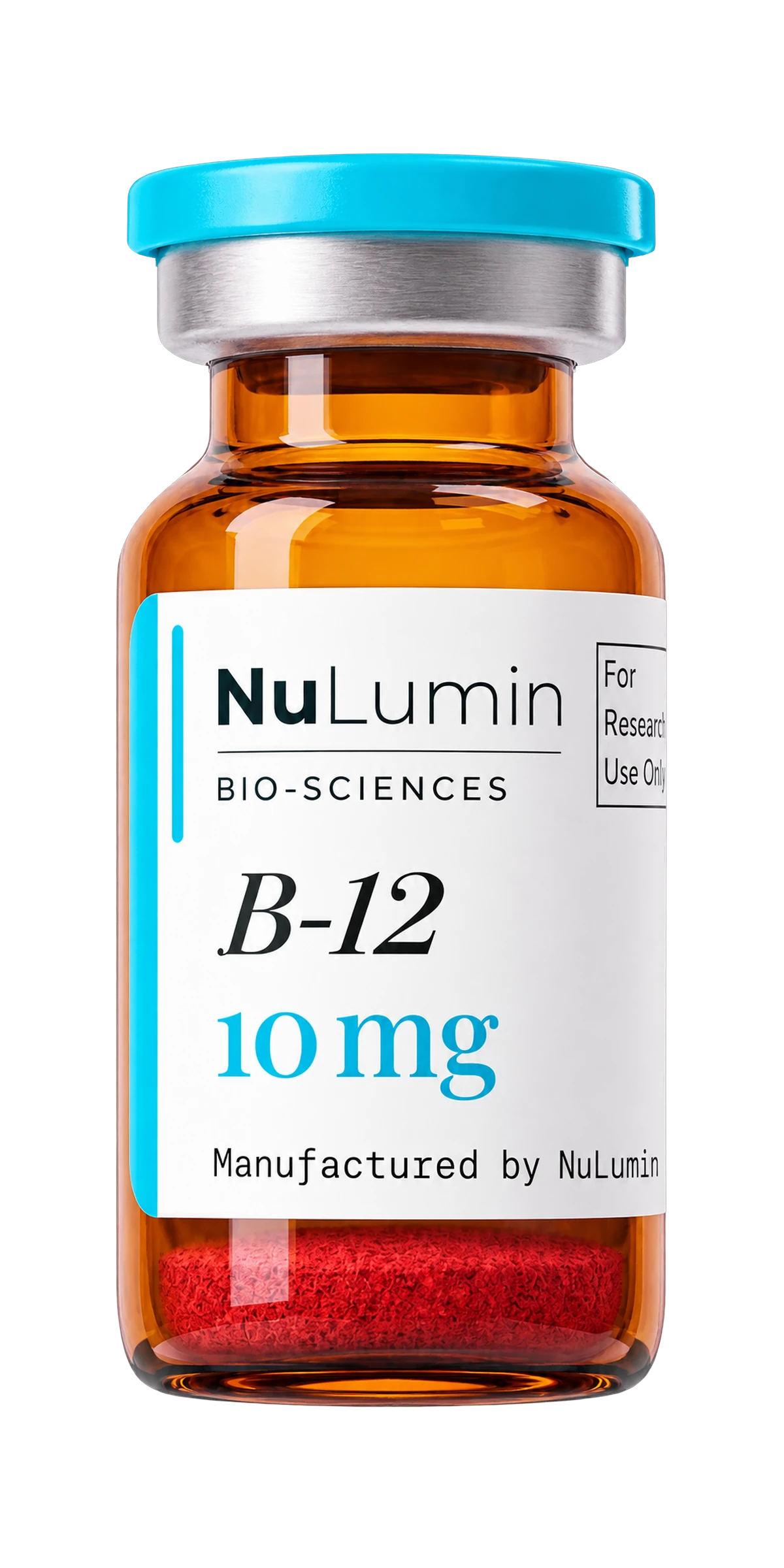
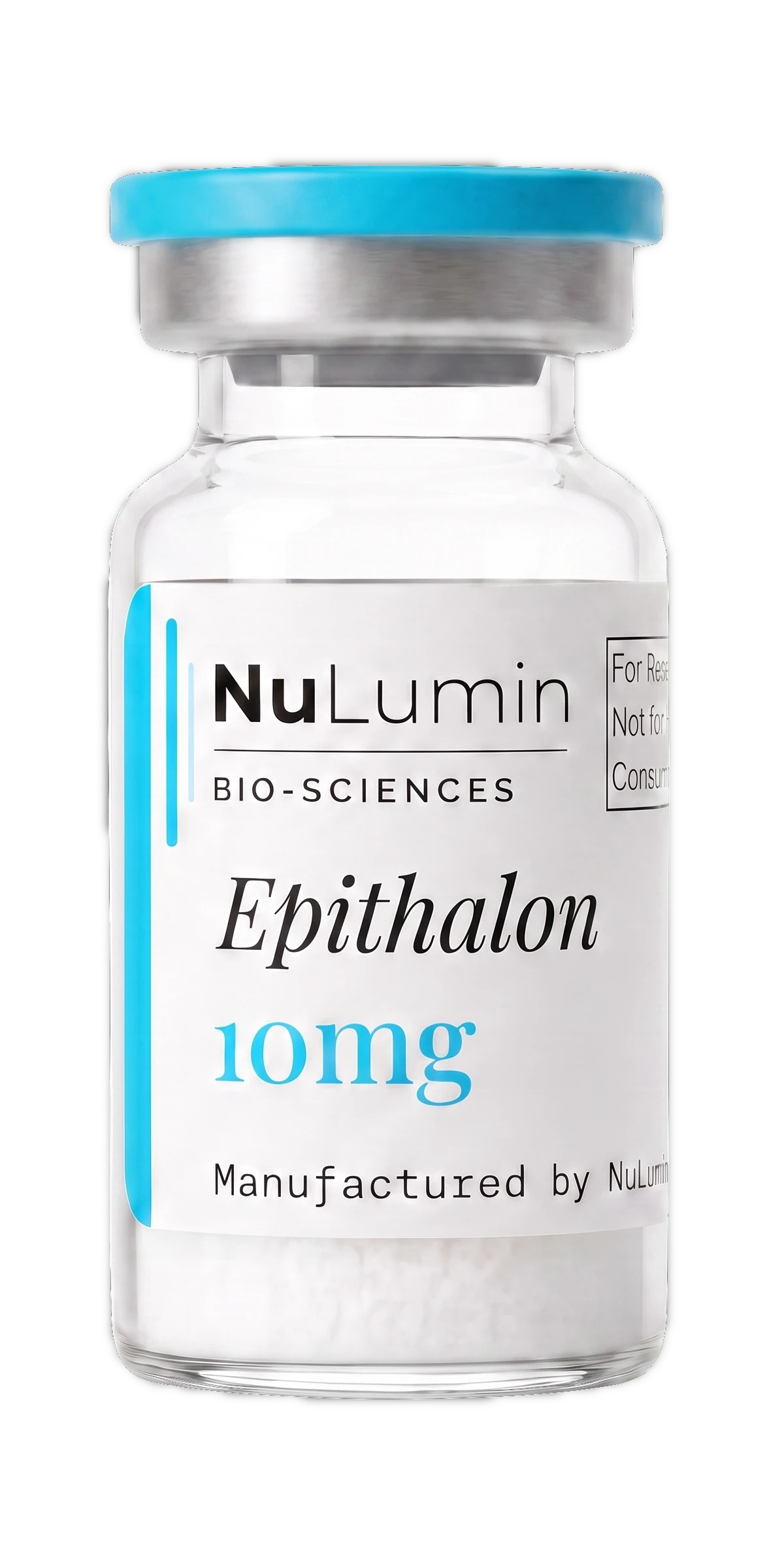
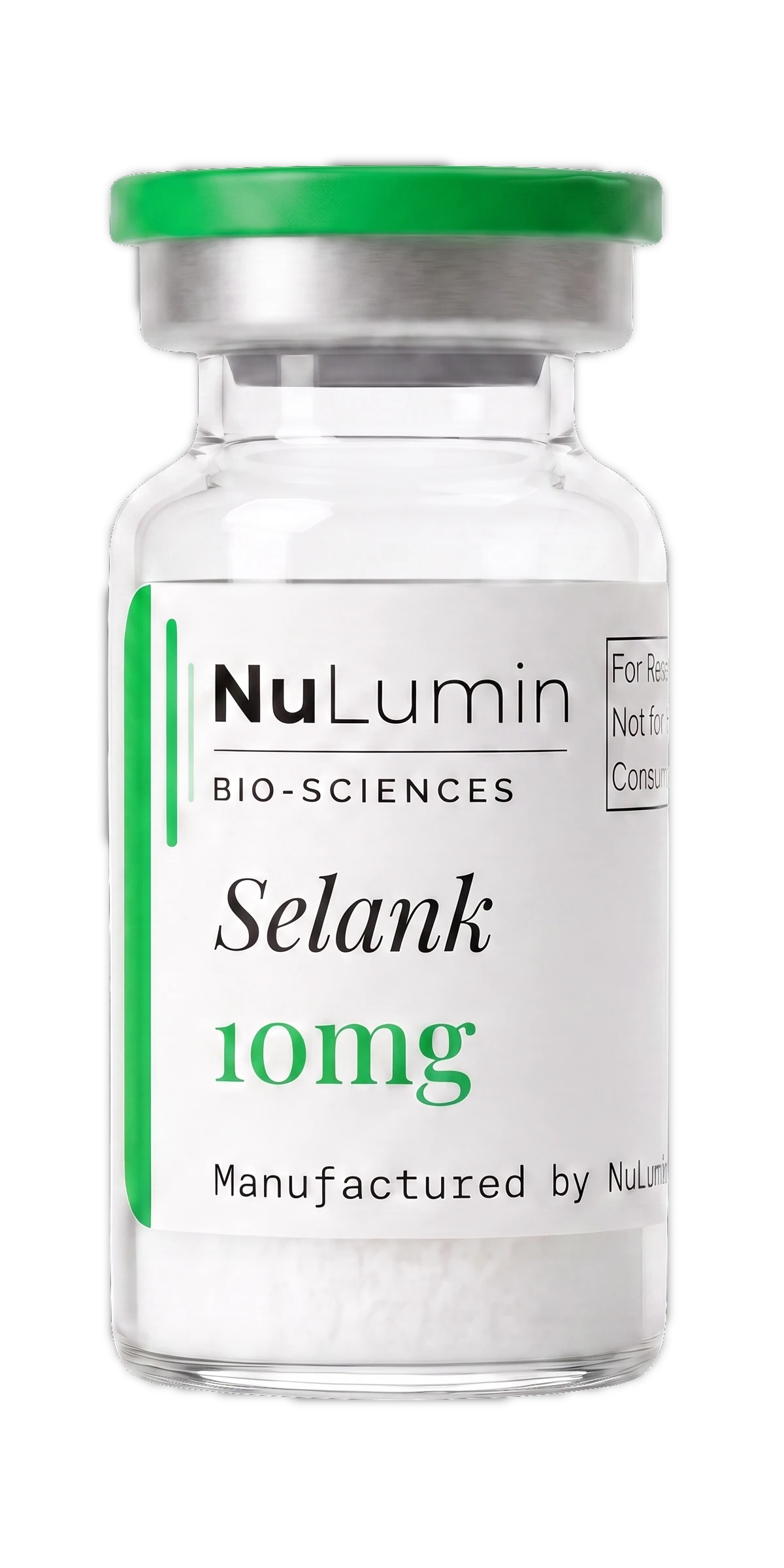
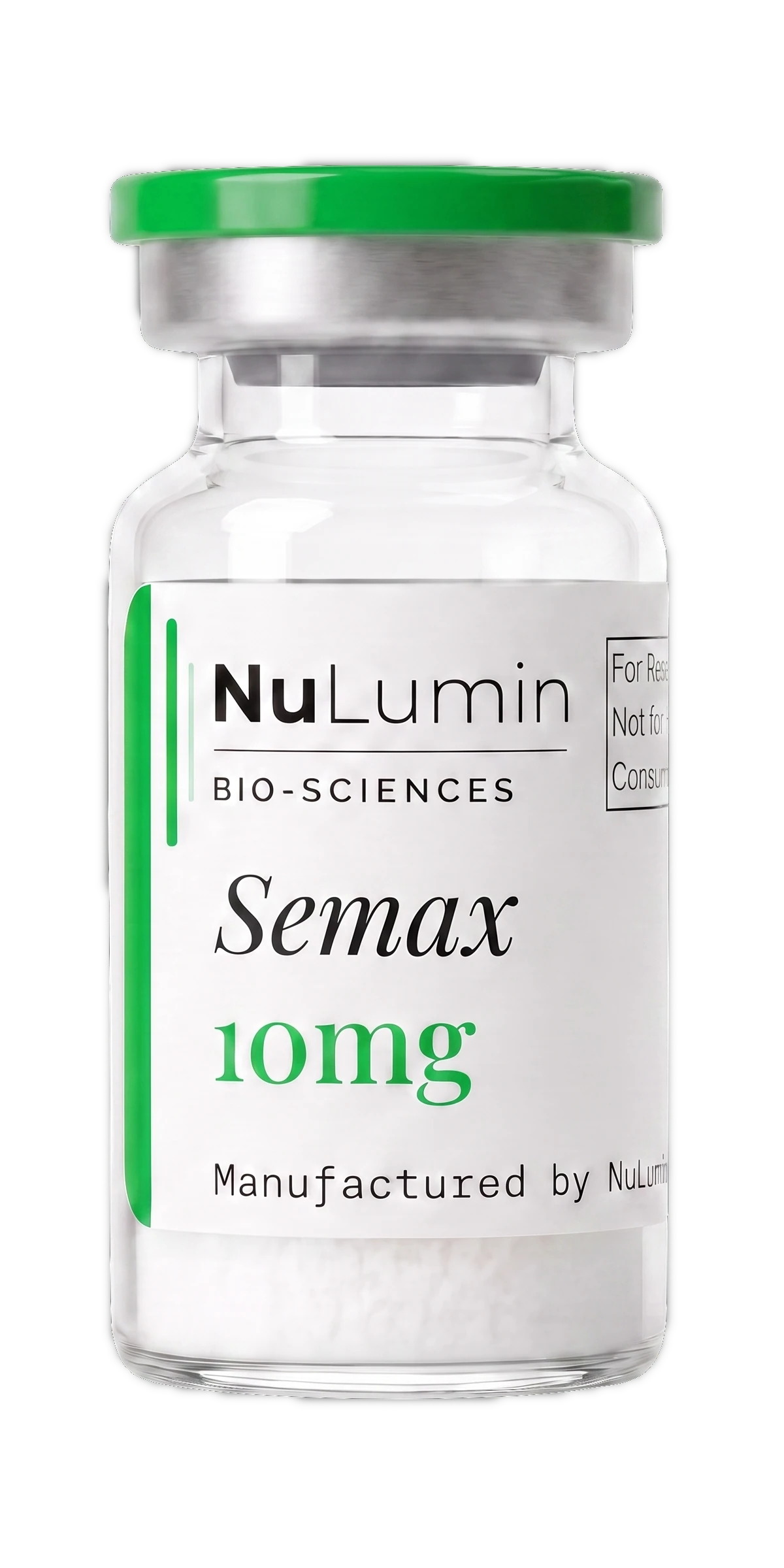
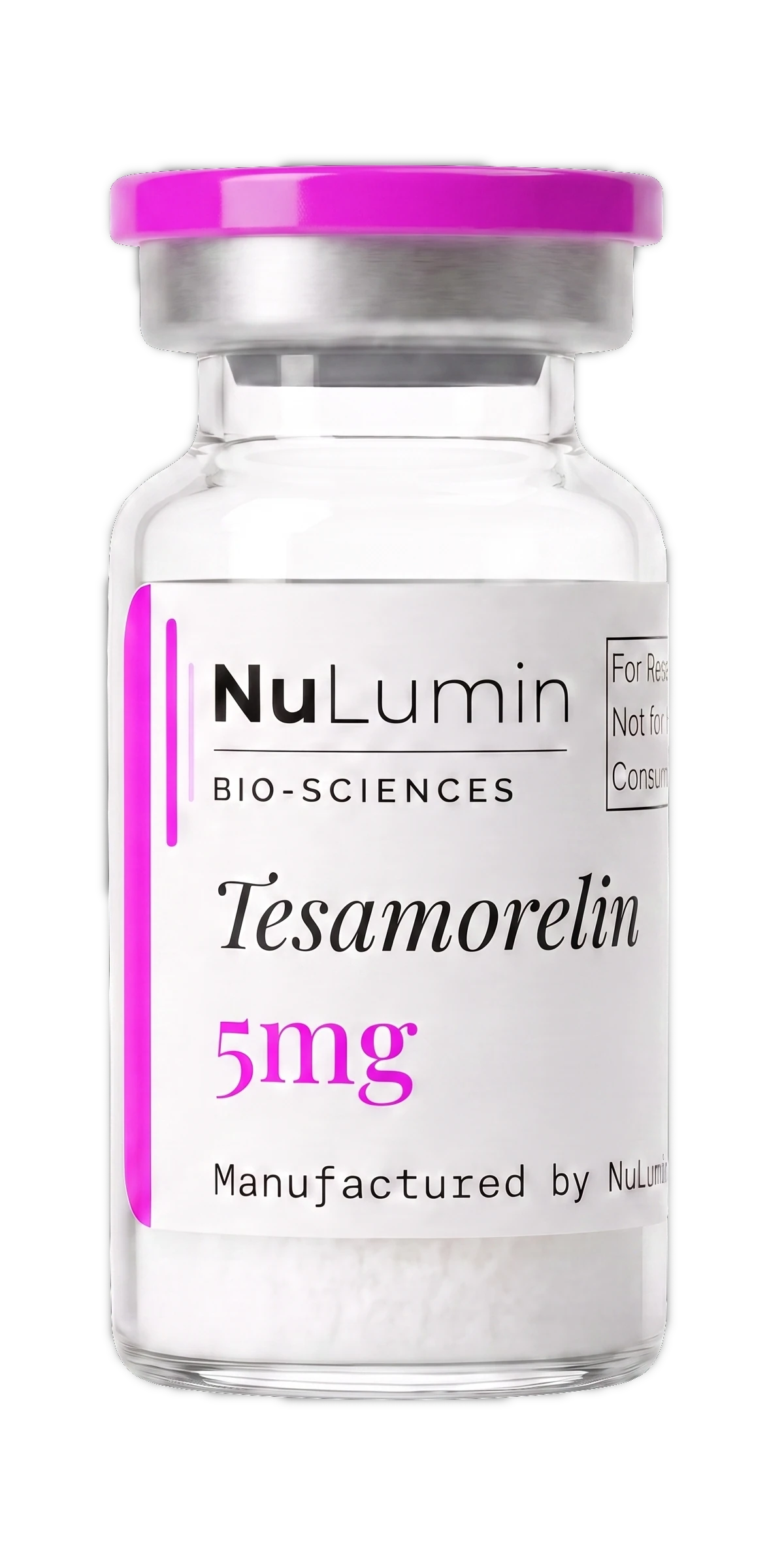
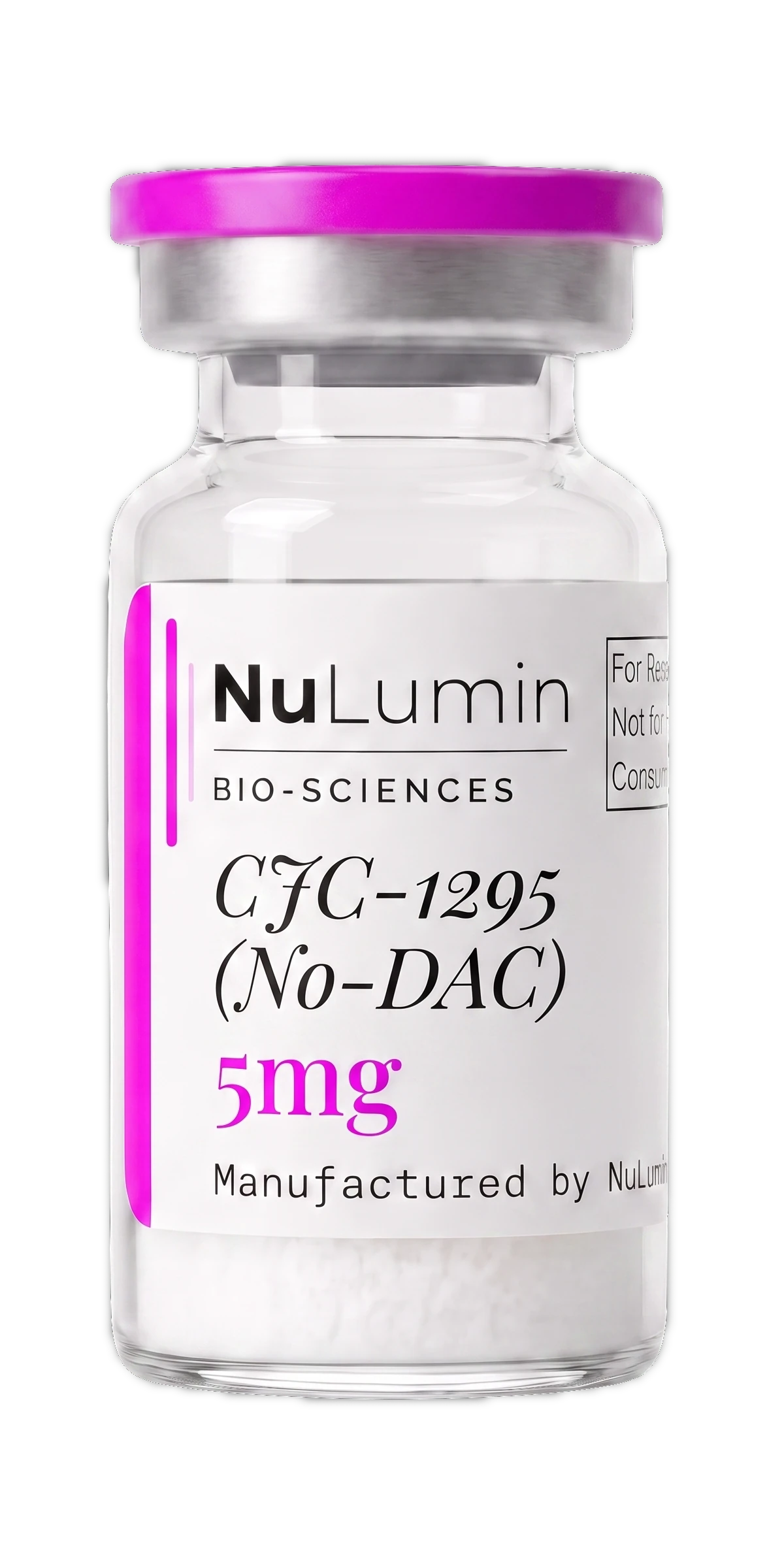
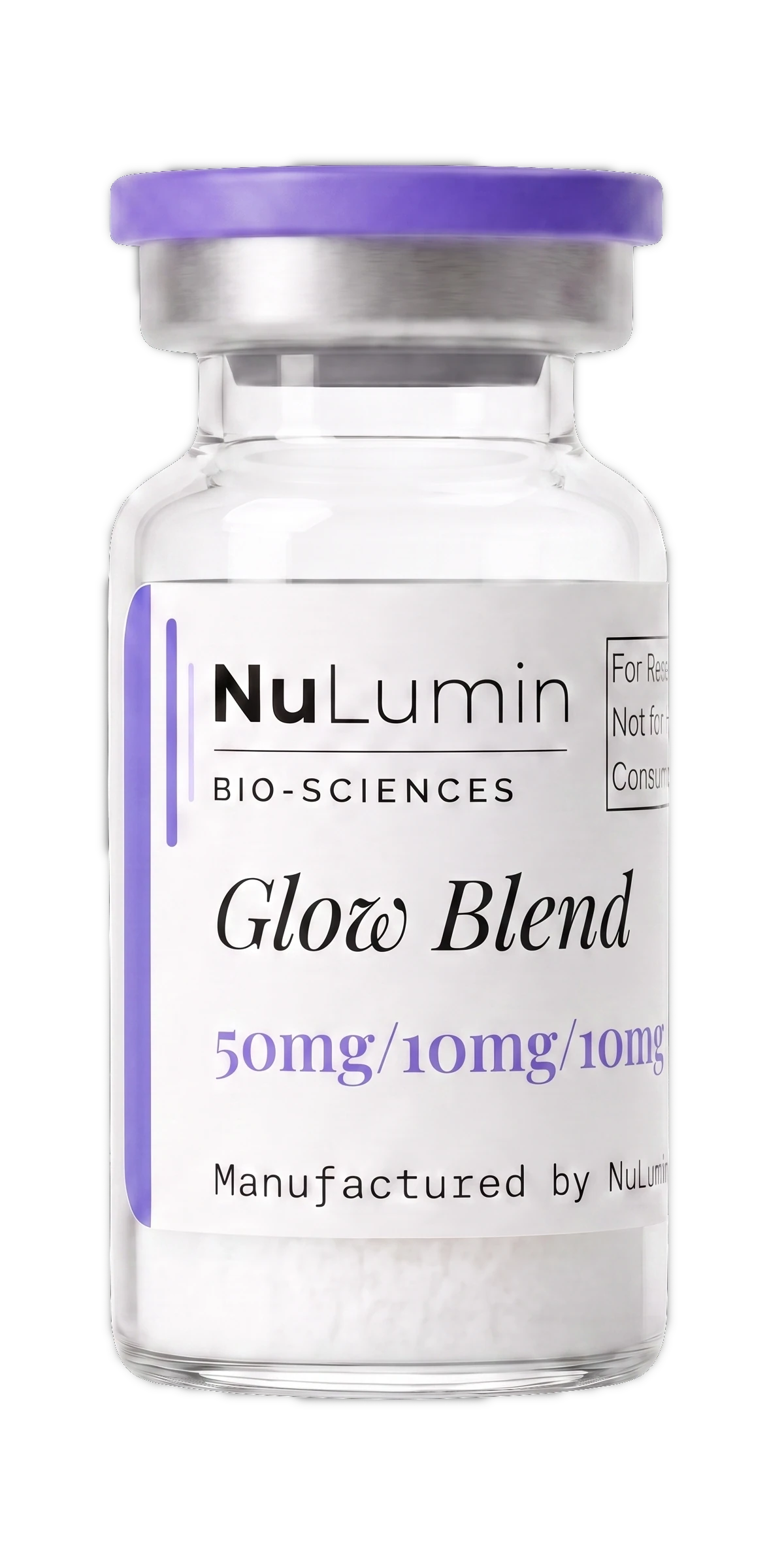
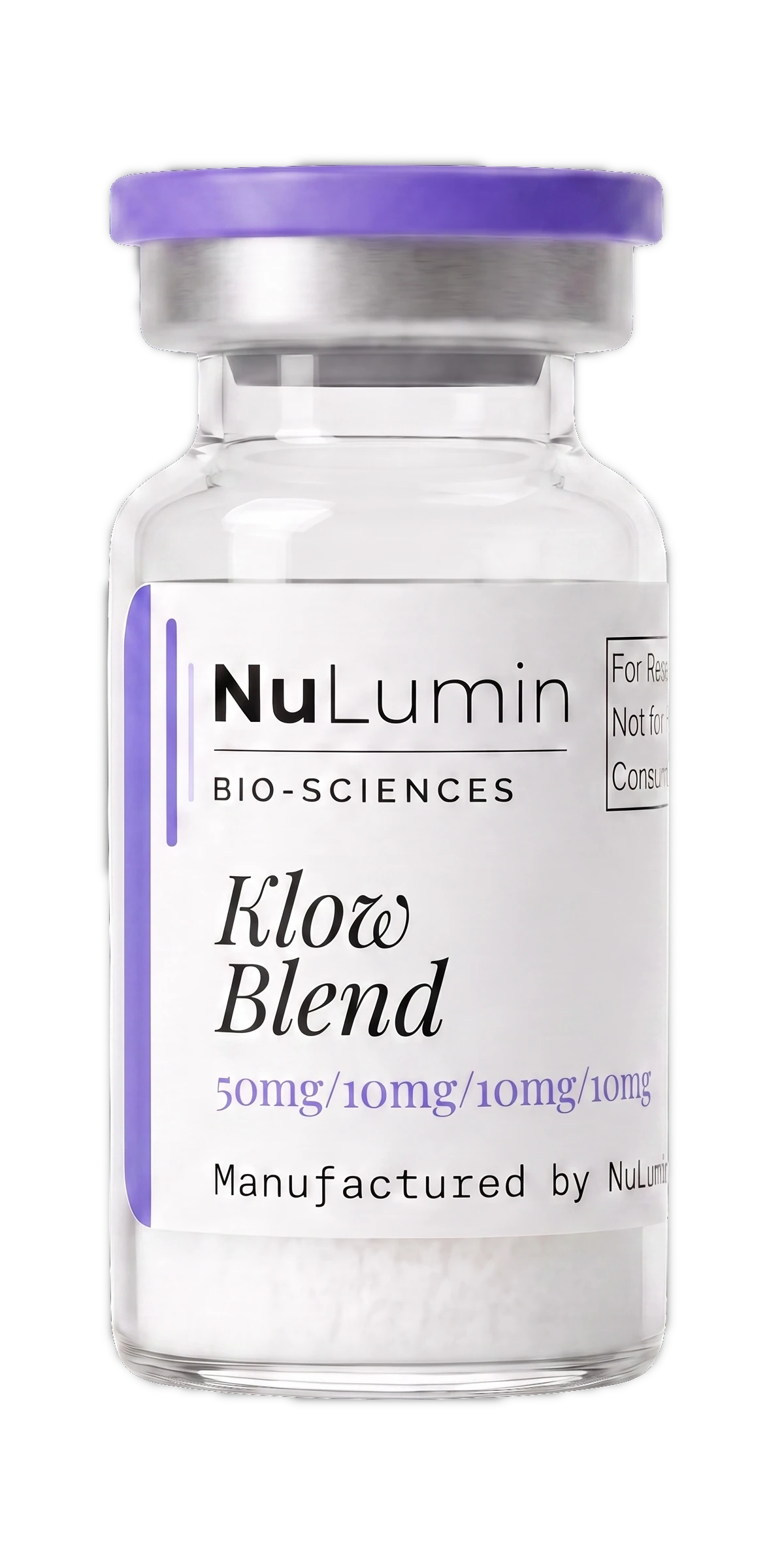
All NuLumin Bio-Sciences compounds are manufactured in the United States under cGMP-aligned protocols and are designated Research Use Only. Not for Human Consumption.
Research Use Only
For Research Use Only. Not for Human Consumption. Not a drug, supplement, or food product. All NuLumin Bio-Sciences products are designated Research Use Only (RUO). Not intended for therapeutic use or diagnostic purposes. Purchasers assume responsibility for ensuring compliance with all applicable regulations.